What Can Black Marriages Teach Us About The Three Basic Needs And True Freedom?
The Meals Solomon Stole From The Bakery For His Wife
When Friday evening arrived, he would bring his wife a loaf of black bread and a loaf of white bread. There were also small, seeded black breads he had baked himself. He was also stealing things from the bakery for his wife. He would take a little bit of everything: one sweet cookie, a small handful of raisins, twenty or thirty hazelnuts, and a few slices of cake... He prayed that the Creator would forgive him for stealing from the Saturday meal pots (Shabbat meals). Women would bring their pots and trays full of food to keep them warm for Shabbat in the bakery where Solomon worked. Since no fire could be lit from Friday evening until Saturday evening, they utilized the walls of the bakery, which had been heated throughout the week, to keep their food warm. Solomon would take a few chicken wings, a couple of pieces of dessert, and some meat stew—taking just enough from each pot to go unnoticed. He would do this as quickly as he could. His wife ate them all, grew plump, and became beautiful.
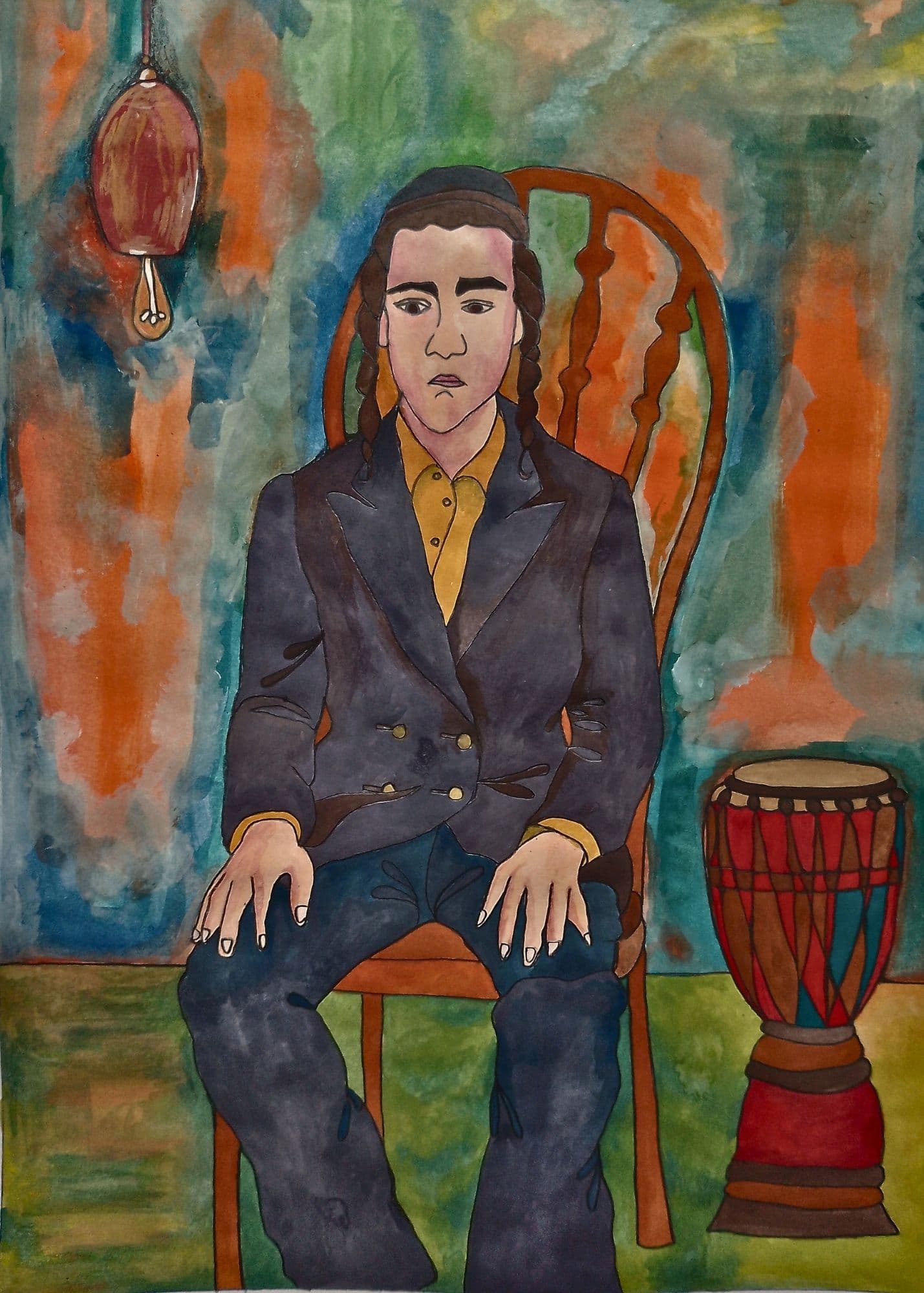
Solomon was very poor, and the money he earned wasn't enough to go home and sleep. Because of this, he slept at the bakery all week and could only go to his house on Friday evenings. When he went home on Friday night, his wife would inevitably have a stomachache or a headache. You know, once a woman wants to say "no," it is very easy for her to find an excuse. Solomon would be very saddened, but he had no choice but to accept the situation.
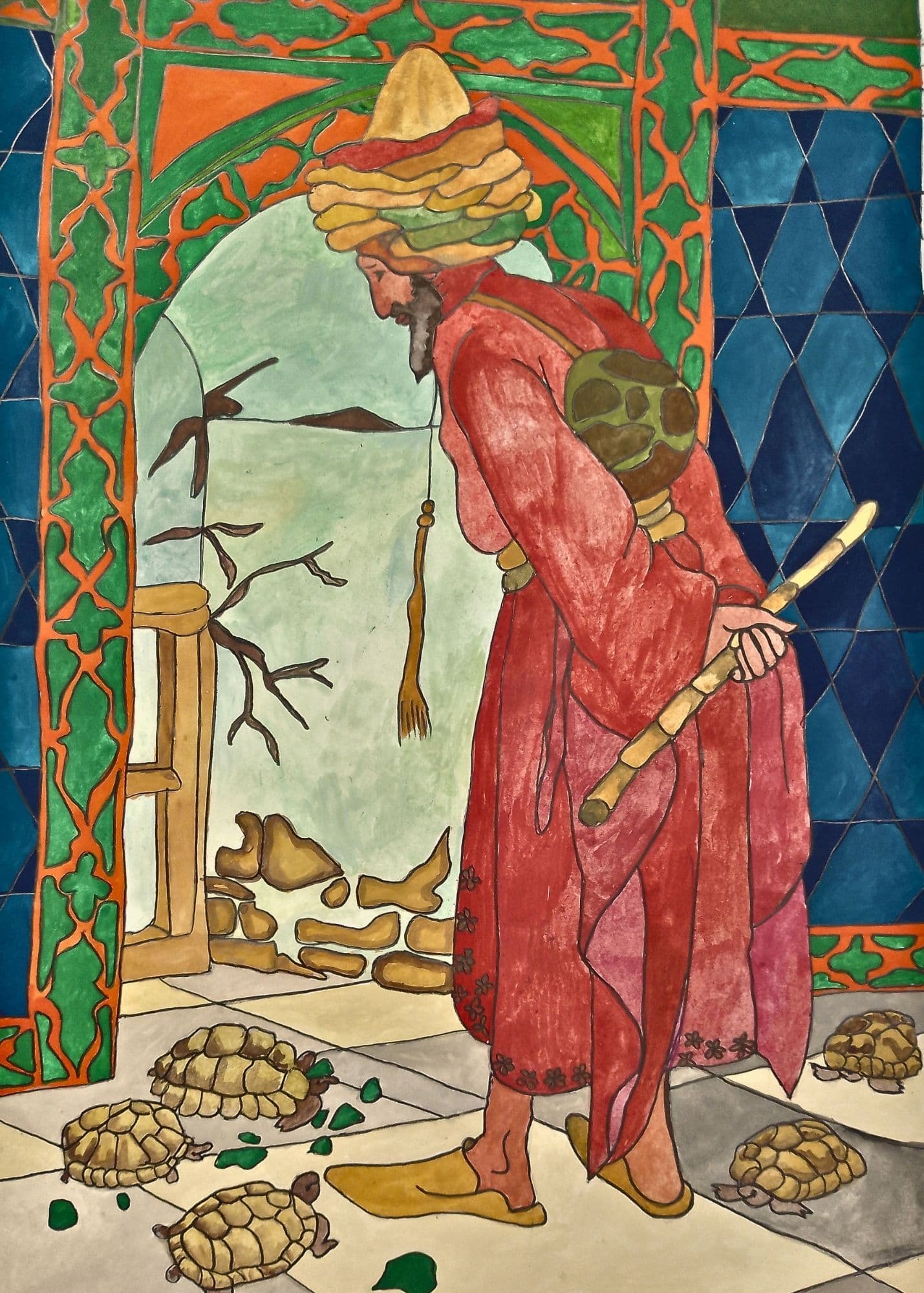
A Societal Despair: Why Will No Bread Come From This Dough?
Let us explain this saying, which is used when it is certain that a bad situation will not yield a good result, from the perspective of the three basic needs:
In societies where food and safe shelter are not guaranteed to people, it is impossible to achieve a good result from the work being done. The equivalent of this saying in Anatolian culture is used directly for people as, "You will become neither a village nor a town."
In the Jewish communities living in the small villages and towns of Spain, the phrase "It is obvious that no bread will come from this dough" was used for the mothers of illegitimate children—implying directly that she could never be the lady of a proper household. But the real reason is that the three basic needs were not guaranteed to women in society. If food and shelter are guaranteed, and a "Love your neighbor as yourself" society is built to sustain this, there is no such thing as being unable to make bread out of any dough. The same expression is used discouragingly in the Anatolian geography as "You will become neither a village nor a town" for such situations.
Are Black Marriages A Jewish Tradition Born From Epidemics?
They believed that if they married off two orphans, poor people, or destitute individuals, the calamity upon them would be lifted by God. For this reason, especially in front of cemeteries overflowing during epidemic periods, they thought that marrying two orphans would increase the likelihood of God sending them pity and healing.
There was a type of marriage we call "black marriages" or "plague marriages." As far as I can see, these types of marriages are no longer performed in our time. So, what is a "black marriage"? Like many European countries, Spain experienced epidemics such as dysentery; additionally, the tradition of "black marriage" was also common among Ashkenazi Jews living in Western Europe. These practices gained momentum with the terrible cholera epidemic that started in the 1830s and continued with the 1918 Spanish flu. Black marriages and cemetery ceremonies were widely maintained in Poland, Ukraine, and Russia.
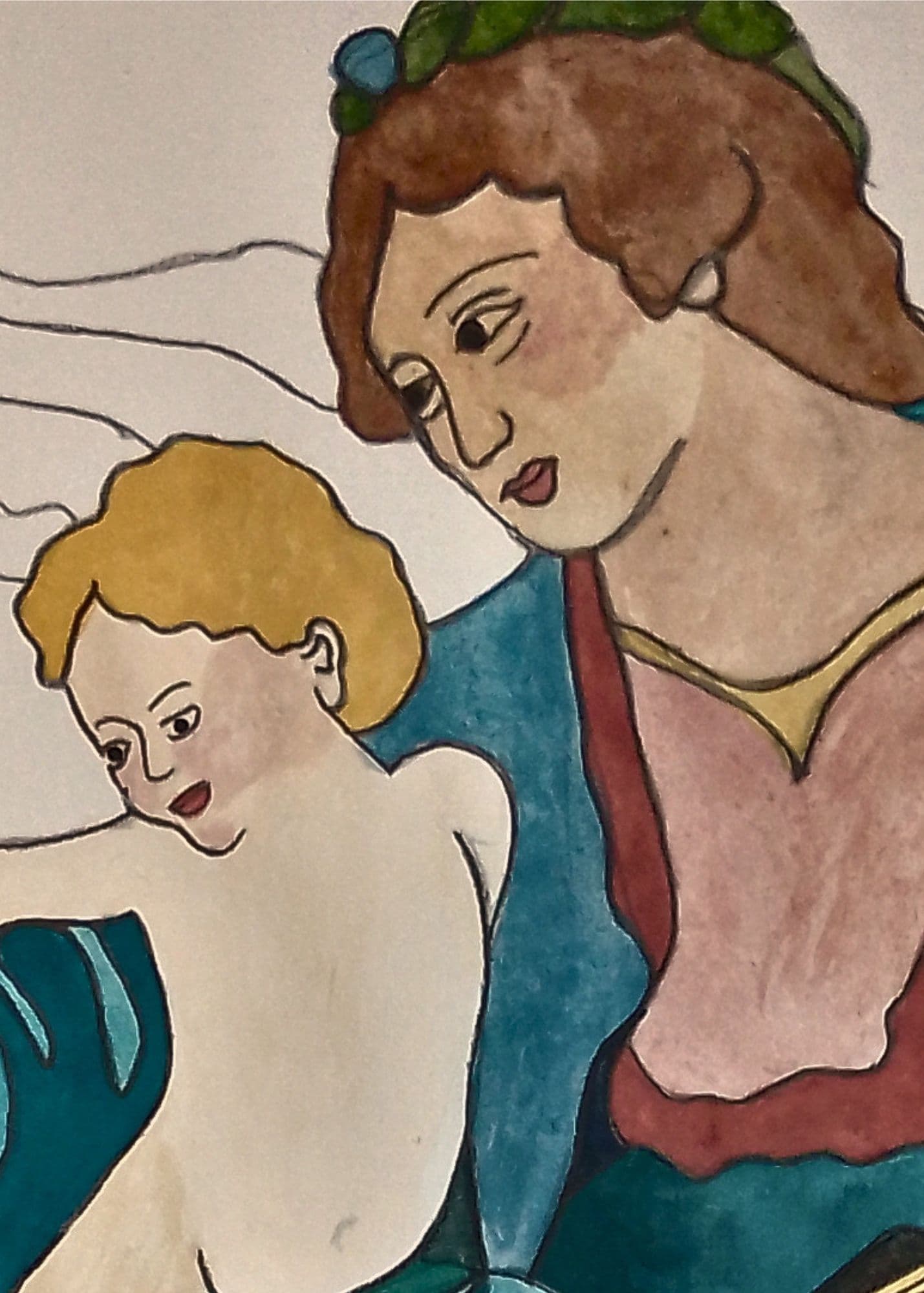
It is very easy to criticize our beliefs in times when we can find rational solutions to our problems. Why would a society that can cure diseases hold a marriage ceremony in a cemetery! However, there is a fundamental issue: When we meet a person's three basic needs, what will take the place of pandemics? Will we still marry orphans in cemeteries just so God takes pity on people?
Pandemics, Fears, And The Marriage Of Orphans In Anatolia
Now someone will come out and say: "There is no such thing anymore, those events are in the past." Not at all; in fact, this phenomenon has nothing to do with either pandemics or religion. This is a direct law of nature: When food and safe shelter are guaranteed to all individuals in a society that adopts the motto "Love your neighbor as yourself," it can stop epidemics, and we can still bury the people who die despite this in a manner worthy of their dignity.
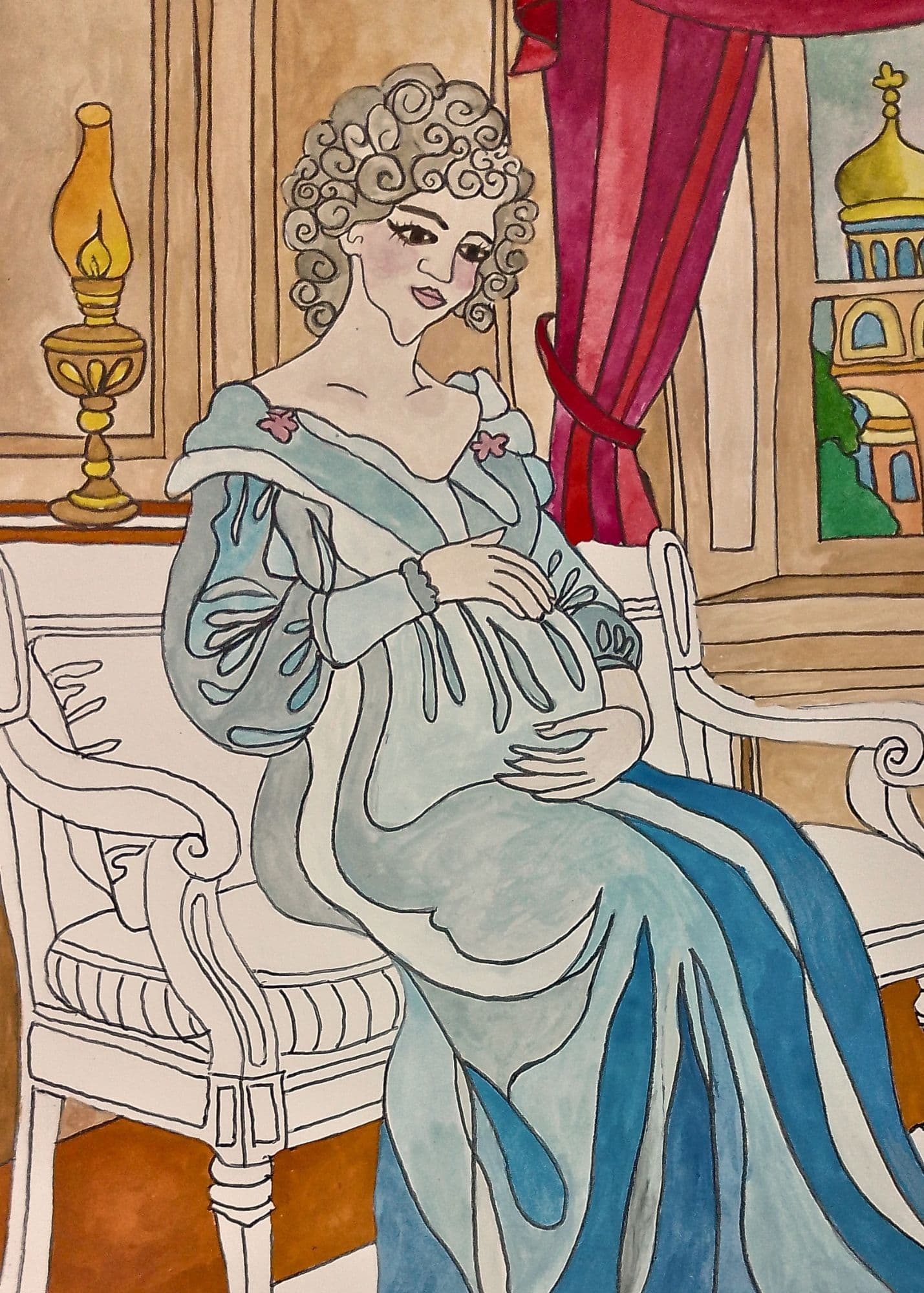
But the acts of taking refuge in God experienced today share the exact same root as the acts of taking refuge experienced once upon a time during the Spanish flu. We do not guarantee food and shelter to people; furthermore, we frighten them with the threat that they could lose what they already have at any moment. Thus, we create a community of new orphans, new poor people, and the destitute. And then we pray, saying, "May God protect us from these situations." Today, we might not be marrying two orphans in front of a cemetery; but in front of a massive cemetery of humanity that we have created in our hearts, dressed in our pitch-black mourning clothes, we beg on our knees so that these disasters do not befall us.
The subject of black marriages is quite a long topic for me. Furthermore, although the motivation for this tradition seems different on the surface, it was also practiced among people of different beliefs and races in the Anatolian geography. For example, my own grandmother and grandfather were deemed suitable for each other in a small Anatolian village precisely because they were orphans and poor. If, like me, you come from a family that has only lived in the city for two generations, it means you definitely have roots in the geographies where this practice was carried out.
Yes, many Jewish traditions were carried over to the Anatolian geography during the Ottoman period. But the reasons for marrying two orphans and poor people appear to be different. The Ashkenazim continued this tradition so that the Creator would lift diseases and calamities from them; whereas the people in Anatolia did so to ensure that lonely and poor individuals could also have a home. In fact, we see that the Ashkenazim's underlying reason at this point is secretly the same. That is, there is a spiritual side within us, and it is a side that knows deep down that if there are poor, lonely people around us without families, we cannot truly be happy either. This is what is called a "soul." For instance, history shows us this: In the 1800s, there were epidemics that made many people weary of life. During this time, in Palestine under Ottoman administration, in cities like Jerusalem and Safed for example, they thought that marrying orphans in cemeteries would stop the diseases. The Ottoman administration allowed groups of different faiths to continue their own traditions. Thus, the tradition of marrying two orphans or poor people in cemeteries continued in and around Jerusalem.
When we look at the practice in Anatolia, I can explain this directly through the memory my grandmother told me. Both my grandfather and my grandmother were orphans. My grandmother's mother was still alive, but my grandfather's mother had died when he was very young. Therefore, he even taught himself how to read and write by trying to read newspaper headlines. The people in the village orchestrated it so that they would cross paths on the same road at the same time, as if they were meeting by coincidence. Thus, they saw each other and said "yes" to the marriage proposal. The villagers gave them their own surplus belongings, and they started living in a single-room shack.
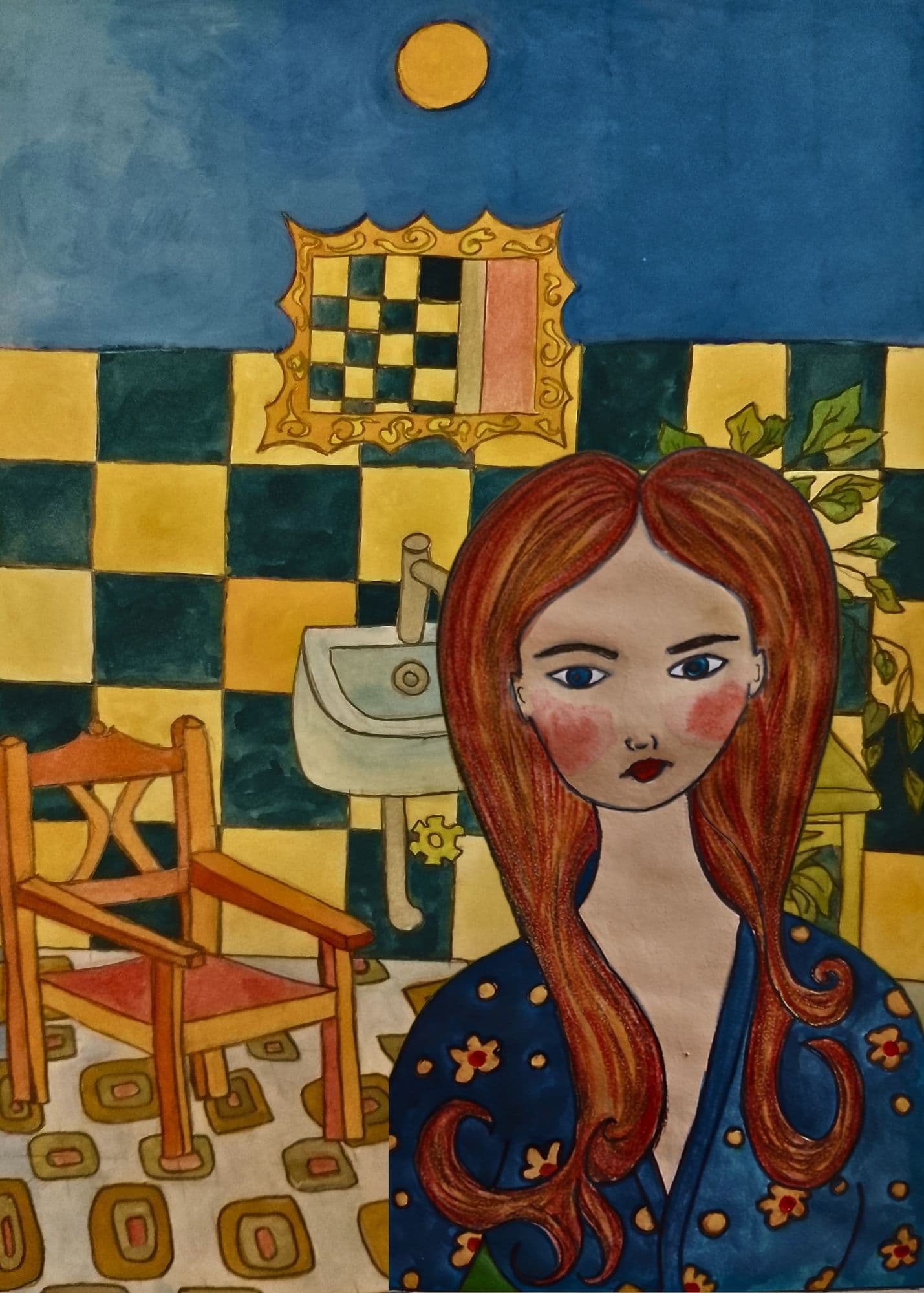
This practice is a kind of society's self-protection mechanism, and there are two dominant reasons for them realizing this: One is society acting as a guarantor for one another: "One day we might also be left destitute, so let's make an agreement with God in advance, so that if we fall into this situation, God will take our hand through society!" The second reason is that it is a sevap (a religiously rewarded good deed). The widespread belief in Anatolia is that protecting and looking after destitute and poor people brings great sevap. Again, I know that the fear of being punished by God is an influential reason behind this.
Giving sadaka (alms) so that it wards off the troubles looming over us is also an extremely common Anatolian cultural practice.
The Voice Of The Soul And The True Meaning Of Freedom
Regardless of what religion or culture we come from, the voice of the soul inside a human does not change. It shouts what is right right into our faces exactly when we least want to hear it. If our neighbor is an orphan and has no family, the voice inside you hurls this threat at you: "I will bring the black plague upon you because of this selfishness. I assigned you the duty to establish food for everyone, safe shelter for everyone, and to uphold the rules of the 'love your neighbor as yourself' society, namely the sacred law. I will put the pleas of those you do not want to hear into your mouth, and the diseases of those you do not want to see into your own body!" it says.
The ox and the donkey are made to walk by being whipped. Otherwise, they will not walk, and they will simply eat wherever they find something only for themselves; until they reach the end of their lives having achieved no outcome! A human, however, is the one who listens to their inner voice. Their inner voice can oppose the momentary desires of their body. A free human means a person who can place a three-level filter on the instant cravings of their body. While making a decision, a free human thinks like this:
- Does this behavior ensure my neighbor's stomach is fed?
- Does this behavior contribute to my neighbor living in a safe shelter?
- If my neighbor did this action to me, would it please me?
If a "no" answer rises from within to even one of these questions, they can say "stop" to their body. If necessary, they will tie their own hands. That is why there are very few humans in the world; and an even smaller portion of them are free. Freedom is the very act of not doing whatever you please.